01
Growth outran the model
The function added people and processes, but ownership and handoffs remain unclear.
The talent function should be built for the business you are becoming.
Growth changes what an organization needs from its leaders, managers and people systems. Ingenium helps organizations understand what no longer fits—and redesign the structures, roles and talent systems needed for what comes next.
Most talent functions do not stop working all at once. The signs appear gradually.
Leaders spend more time discussing talent but remain uncertain about who is ready. Succession plans are refreshed without influencing important appointments. Different teams own pieces of the same experience, yet no one owns the whole outcome.
The deeper question is not how much work HR is doing. It is whether that work helps the organization make better decisions.
Acquisition, new markets, a scalable model, stronger leadership pipelines or more consistent global execution each demand something different from the talent function.
The function added people and processes, but ownership and handoffs remain unclear.
Names appear on a plan, yet leaders do not know who can step into a critical role.
People are promoted faster than the organization prepares them.
The experience depends on location, business unit or a personal relationship.
Roles overlap—or important talent outcomes sit between teams.
Strategy, structure or ownership changed while the people system stayed the same.
Immediate needs leave little time for strategic organization and capability work.
Data is collected, but it does not change capability, succession or performance decisions.
A visible problem can have several causes. Ingenium begins with the current state so the organization does not redesign the wrong thing.
Slow hiring may reflect recruiting—or unclear roles and delayed decisions. Weak succession may be a process problem—or a reluctance to speak candidly about readiness.
Business and talent strategy, operating model, organization structure, roles, decision rights and enterprise–local governance.
Critical roles, succession, talent reviews, assessment, executive development, workforce capability and engagement.
Talent acquisition, HR service delivery, technology, data, reporting and the experience of executives, managers and employees.
Review the whole system—but find the few constraints limiting the organization most.
Redrawing reporting lines is easy. Clarifying the decisions, responsibilities and interfaces beneath them is harder—and more valuable.

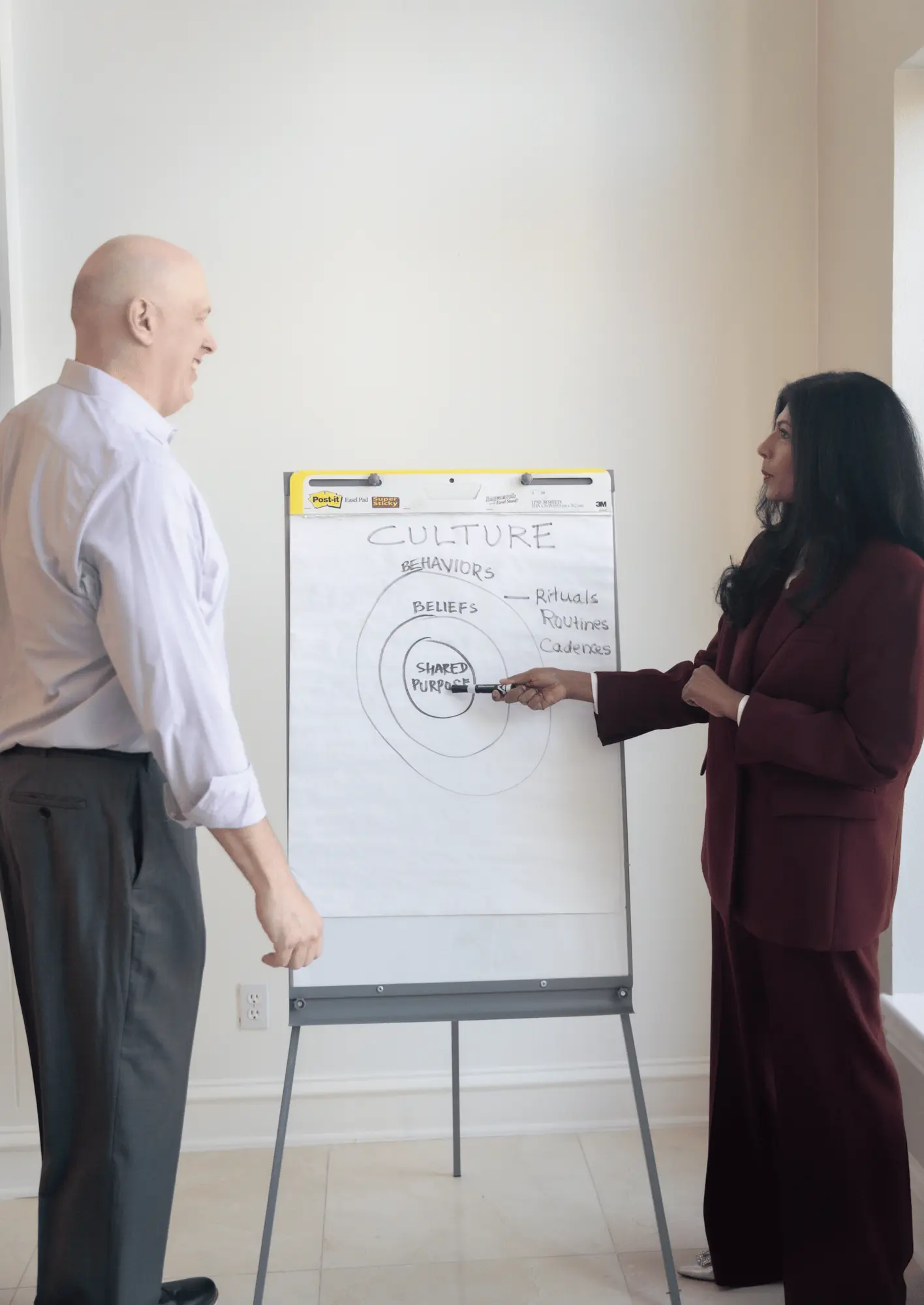
Talent review, succession, assessment, development and appointments should inform one another—not operate as separate annual calendars.
Define critical roles, future requirements, readiness, development needs, credible internal options and the gaps created by each move.
Start with what the organization must become better at, then connect the answer to roles, design, talent decisions and development.
Use assessment findings to shape development, experience and promotion decisions—not to create another disconnected report.
More talent data does not automatically create better judgment. The value lies in knowing what the information should help leaders decide.
Some organizations need an independent view. Others need help making the change real. The scope follows the need—not a predetermined program.
Assess the current state, isolate the main issues and recommend a future direction the internal team can carry forward.
Shape the model, roles, processes, governance and transition—and support leaders as the changes are introduced.
Concentrate on succession, talent reviews, leadership development, organization design or service delivery.
The redesign is translated into a model the people responsible for it can understand, use and improve.
Define the strategy, growth agenda or organizational issue prompting the work.
Use interviews, document review, process analysis, data and stakeholder input.
Separate structural issues from capability, process, technology or leadership problems.
Agree what the function must deliver and how it should work.
Shape roles, structure, governance, processes and measures around the future need.
Translate the design into priorities, ownership, sequencing and communication.
Help leaders introduce the changes and work through what emerges.
Refine the model as the organization begins to use it.
Sandhya understands the work from both the advisor’s side and the executive’s side.
She has led talent, capability building, engagement and HR service-delivery work inside global organizations, including leadership roles at Flowserve, GAF, Citibank, Hewitt Associates and Ingersoll-Rand.
That background brings a practical understanding of the tension inside most redesigns: the function must keep supporting the organization while changing how it works.
Meet Sandhya Johnson →The final deliverable depends on what the work is meant to change. The test is whether the organization can now lead, decide and build capability more effectively.
Clearer ownership and less duplication
Faster access to support
More strategic business-partner capacity
Stronger succession confidence
Better visibility into critical roles and talent
Development tied to business needs
More consistent talent decisions
A function trusted for judgment—not only delivery
Rapid growth, acquisition, a new strategy, inconsistent delivery, weak succession, unclear roles or a function that has become too transactional.
No. It may include organization structure, leadership processes, succession, capability planning and the responsibilities of business leaders.
Yes. The work may be diagnostic only, or continue into design and implementation support.
No. The main issue may sit in roles, governance, process, capability, technology or leadership behavior.
Yes. Succession, talent reviews, leadership development, organization design or service delivery can each be a focused scope.
The sponsor is often the CHRO, CEO or another senior transformation leader. Timing depends on organization size, diagnostic scope and whether implementation is included.
Any diagnostic using identifiable employee or assessment information should begin with explicit agreements on confidentiality, access and data use.
Ingenium will help determine what should be assessed, what needs to be redesigned and whether the work should stop at a recommendation or continue into implementation.