Executive & leadership advisory
Executive Coaching
Senior leaders need somewhere they can think without performing.
The higher the role, the fewer conversations are truly neutral. Ingenium creates a confidential space for CEOs and senior executives to examine difficult questions honestly—without losing sight of the business that still has to be led.
01 — A different kind of pressure
The most important decisions are often the hardest to discuss.
A leader can be surrounded by capable people and still have no one with whom they can think freely.
The executive team has its own interests. The board expects confidence. Investors want progress. Peers may understand part of the situation, but not its full weight—especially when the issue involves the leader’s own effectiveness, a member of the team or a strategy already defended publicly.
Slow the thinking down → before the decision speeds everything else up
02 — The work behind the conversation
Coaching is not simply a place to talk.
The conversation must lead somewhere: toward clearer judgment, stronger action and a more useful way of operating.
Test a decision before acting
Understand leadership impact
Work through conflict and pressure
Make difficult talent decisions
Build a stronger executive team
Adapt to greater complexity
Lead change without losing the organization
Close the gap between intention and execution
Build confidence while staying open to challenge
The goal is not polished answers. It is better thinking, judgment and action in the role.

03 — Common starting points
Coaching becomes useful when the role starts asking more of the leader.
It does not require a crisis. It requires a pivotal situation and a leader willing to work with it.
A new role
Entering a CEO, C-suite or broader enterprise position and needing to adjust quickly.
Rapid growth
The business has outgrown some of the habits and structures that built it.
A difficult team
Misalignment, wrong people in critical roles or important conversations being avoided.
Board or investor pressure
Managing expectations and seeing decisions from another seat.
Transformation
The organization is changing faster than the leader’s way of operating.
Succession
Preparing a future transition, developing a successor or reconsidering the role.
A performance gap
Capability is present, but judgment, behavior or relationships limit impact.
Good to better
No crisis—just recognition that the next stage requires more.
04 — The right match matters
A capable coach is not automatically the right coach.
Trust in the coach’s judgment, respect for the questions and willingness to act on what emerges matter more than a generic methodology.
Questions that reveal the wider system
Useful when the leader needs to examine assumptions, patterns, relationships and their own contribution to the situation.
Perspective grounded in the role
Useful when the situation also involves boards, investors, operating performance or decisions the coach has faced personally.
+
Ingenium matches the coach to the leader, role and challenge—not simply availability.
05 — Sandhya’s coaching perspective
Exploratory, human and direct.
Sandhya helps leaders see the truth of the situation—and their part in it.
Her style is exploratory, humanistic, courageously direct, potential-focused and holistic. She brings empathy to understand where the leader is now, without using empathy to avoid difficult questions.
Meet Sandhya →Where her coaching often helps
- Step into a new CEO or senior role
- Scale as the business grows
- Build a stronger executive team
- Lead transformation or significant change
- Strengthen culture without weakening performance
- Prepare for succession
- Improve delegation and organizational leverage
- Make clearer decisions under pressure
- Close the distance between plans and results
Her experience spans executive development, talent strategy, organizational design and global capability building.
Especially relevant to
- CEOs and C-suite leaders in private equity–backed companies
- Founders working with an institutional investor
- New CEOs succeeding founder-led leadership
- Executives navigating boards and sponsors
- Leaders facing difficult talent decisions
- Senior operators responsible for growth and financial improvement
- Healthcare, life sciences and pharmaceutical-commercialization leaders
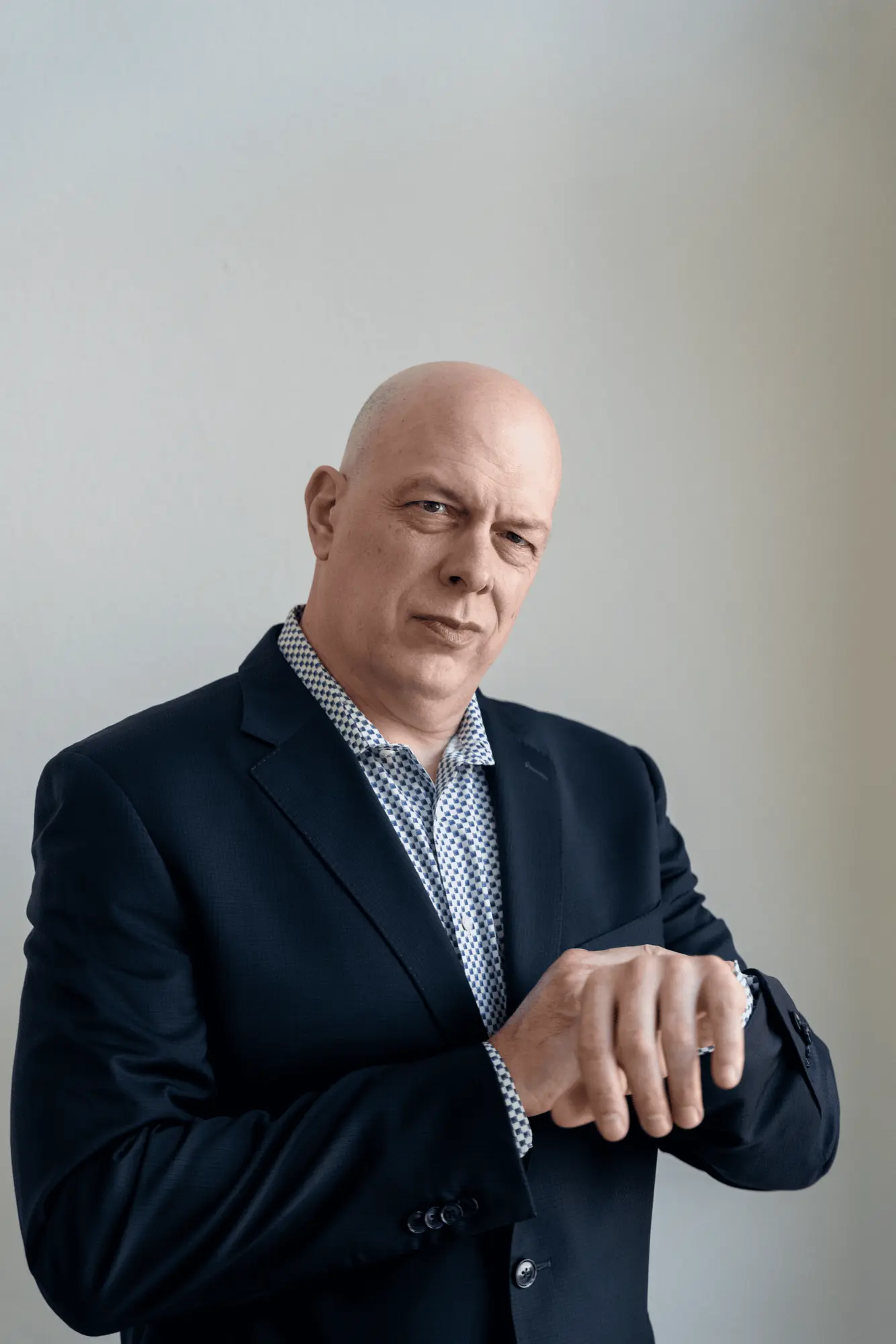
06 — Matt’s coaching perspective
Coaching with an operator’s perspective.
Matt understands what the leader is being asked to deliver.
His experience as a strategist, M&A leader, P&L operator, board member and investor advisor shapes the questions he asks. He can stay within a traditional coaching approach or bring operating, board and private-equity perspective when mentoring would help.
He acts as a confidential thought partner for strategies, stakeholder perspectives and challenges that cannot easily be discussed elsewhere.
Meet Matthew →07 — Clear about the role
Coaching, mentoring and advice are useful for different reasons.
A leader should know whether the coach is helping them reach their own conclusion or offering a view based on experience.
Coaching
Begins with questions so the leader can examine the situation, understand their thinking and decide what to do.
Mentoring
Brings relevant experience into the conversation when the leader would benefit from it.
Advisory
Offers a point of view on the business, strategy, board or market question itself.
Assessment when it adds clarity
A more precise starting point—not the entire agenda.
HoganEveryday personality, potential derailers and preferred working environments.
LVI 360How colleagues experience the leader and where an approach may be overused or underused.
08 — A focused working relationship
The structure supports the work without taking it over.
Sessions center on current situations, decisions, patterns and relationships—not a fixed curriculum.
- 01
Understand the situation
Explore the role, business context, trigger and what the leader wants to change.
- 02
Choose the coach
Match the coaching perspective to the leader and situation.
- 03
Agree on the focus
Clarify aims, boundaries and confidentiality with any sponsor involved.
- 04
Begin the work
Use live decisions, patterns and relationships as the material.
- 05
Review progress
Revisit what has changed and where attention should move next.
- 06
Conclude deliberately
End when the work has done its job—or continue for a clear reason.
09 — The sponsor and the relationship
Clear expectations. Protected conversations.
A company may sponsor the coaching. It should not sit inside every conversation.
Boards, CHROs, CEOs and private-equity firms may have a valid interest in why the work exists and whether progress is being made. The leader still needs confidentiality to speak honestly.
Agree at the outset
- Why coaching is being initiated
- What the leader wants from it
- What the sponsor expects
- What may be shared
- What remains confidential
- How progress will be discussed
- What happens when views differ
The coach is not a messenger between two sides. The work helps the leader navigate the relationship more effectively.
10 — The work asks something of the leader
Coaching works best when the leader is willing to use it.
The strongest fit is not the leader with the fewest problems. It is the leader prepared to turn insight into action.
A strong fit
- Wants an honest view of the situation
- Is open to uncomfortable feedback
- Examines their own contribution
- Makes time for the work
- Turns insight into action
- Questions approaches that once worked
- Understands change takes more than one conversation
Less likely to help
When participation is compulsory but engagement is absent; when the leader wants only confirmation; or when the work remains the lowest priority on the calendar.
→The practical result is a leader who thinks more clearly, acts with greater intention and no longer needs the process to hold every difficult question.
11 — Frequently asked
A place to think clearly.
Who is executive coaching for?
Ingenium primarily coaches CEOs, C-suite executives and senior leaders whose roles carry significant organizational, board or investor responsibility.
How is the coach selected?
The choice depends on the leader, the situation and the experience most relevant to the work. Sandhya and Matt offer distinct but complementary perspectives.
Is coaching only for a performance problem?
No. Coaching may support a transition, growth, stronger performance, succession, team development or a complex situation. Many leaders begin while already performing well.
Does coaching include advice?
Mentoring or advisory perspective may be included where it has been discussed and adds value. The coach is clear when moving from questions into advice.
Is assessment required?
No. Assessment can strengthen the work in some situations, but coaching can begin without it.
Who sees what is discussed?
Individual conversations are confidential within the information-sharing boundaries agreed by the leader, coach and any sponsor at the outset.
How long does an engagement last?
The length and cadence depend on the leader’s needs, the purpose of the work and the progress being made.
Can coaching be virtual or support a whole team?
Coaching may be virtual or in person where appropriate. Individual coaching can sit within broader leadership-team work, while team engagements are scoped separately.
12 — Start with the situation
Tell us what the leader is facing.
It may be a new role, a difficult decision, a changing board relationship or the sense that an old way of operating will not carry the next stage.